University of Fashion Blog

Posts Tagged: "adaptive fashion"

UoF Launches Adaptive Fashion Series

Poster frames of UoF 5 lesson Adaptive fashion seriesUniversity of Fashion launches their 5-part Adaptive Fashion Series taught by Tracy Vollbrecht of Vollbrecht Adaptive Consulting (Photo courtesy: University of Fashion)

Did you know that there are more clothing options available for dogs than there are for people with disabilities? It took a long time coming, but the fashion industry is finally addressing the needs of the disability community, which is known today as Adaptive Fashion.

Thanks to our expert Tracy Vollbrecht, the University of Fashion is launching its 5-part Adaptive Fashion series to help educate the industry in the Adaptive Fashion marketplace. Our new series covers: the history adaptive fashion, how to design & develop adaptive fashion and how to merchandise and market product for the adaptive fashion consumer.

Headshot of Tracy Vollbrecht - instructor at UoF

Tracy Vollbrecht of Vollbrecht Adaptive Consulting and University of Fashion instructor (Image courtesy: Vollbrecht Adaptive Consulting)

Our series begins with the terminology used when referring to various types of disabilities. Ms. Vollbrecht also offers a downloadable Terms and Definitions document to help understand  appropriate language and terms used is this specialized market segment.

Molly Farrell, a white woman with brown hair, is shown in this photo wearing ULEX, one of the brands Tracy designed and helped launch. Molly is wearing a royal blue wrap cardigan and gray pants, while seated on bleachers. She is smiling brightly and her pink forearm crutches are visible in the photo.

Adaptive fashion designed by Tracy Vollbrecht for Yarrow featured on the Canadian TV show Fashion Dis (Image courtesy: Tracy Vollbrecht)

Ms. Vollbrecht’s history of the adaptive market covers such innovators as Helen Cookman, who in 1955, began researching the market potential of adaptable clothing at New York University’s Institute of Physical Medicine and Rehabilitation after being recommended for the role by New York Times style editor Virginia Pope. Cookman would spend the next four years developing a collection called Functional Fashions, which was a collection of 17 items designed to help disabled people dress independently. However, Ms. Vollbrecht explains that upon the passing of Helen Cookman and Virginia Pope the functional fashion movement began to fade and was replaced with clothing intended to make dressing easier for the elderly. It wouldn’t be until 2004-2007 that The Adaptive Fashion Showroom and the company Wheeliechix-Chic, founded by Louisa Summerfield, came into being and would take adaptive fashion to the next level.

Monica Engle Thomas, a white woman with curly auburn hair, is shown in this photo wearing a white Yarrow sleeveless button down that Tracy designed. Monica sits in her black and white manual wheelchair. She also wears sunglasses and jeans, while holding the leash to her small dog.

Monica Engle Thomas wearing a white Yarrow sleeveless button down designed by Tracy Vollbrecht (Image courtesy: Yarrow)

Tracy Vollbrecht Interview

UoF founder  Francesc Sterlacci sat down with Tracy Vollbrecht to learn why she became interested in designing for the adaptive market and her thoughts on where the market is headed.

Francesca: Were you formally trained as a fashion designer and if so, where? What motivated you to pursue a career in adaptive fashion?

Tracy: I am! I graduated from Kent State University with a Bachelor of Fine Arts in Fashion Design. At Kent, I had the opportunity to conduct research on adaptive fashion, which was still in its second-wave infancy. I say second-wave as there was a first wave of adaptive fashion in the 60s (check out the history of adaptive fashion lesson to learn more!). Within the research I conducted, I spoke to over 75 people with varying disabilities to learn about their challenges with clothing. My research culminated in a universally designed collection shown at Kent’s annual fashion show, a published research paper, and presenting my research at various conferences, including the International Textile and Apparel Association’s annual conference. The work I did at Kent showed me that clothing challenges weren’t just an issue my dad, who had MS, had experienced, but an issue that so many people face. This motivates me every day to continue the work I do – clothing should allow everyone to express themselves and feel good, not just some of us.

Francesca: How in demand are designers with adaptive fashion expertise? How did you connect with the companies that you have designed for in this space?

Tracy: Unfortunately, adaptive fashion is still very much a niche portion of the fashion industry, which is what myself and others are working to change. There isn’t a high demand for adaptive fashion designers yet. I’m hopeful that the niche will grow and there will be more demand for designers, merchandisers, buyers, marketers, etc with adaptive fashion experience. The companies I’ve worked with have either sought me out, were referred to me, or that I connected with them through network connections.

Francesca: Can you name the companies that you have designed for and/or who you are currently working for? Are their dedicated online and brick & mortar stores exclusively selling adaptive fashion?

Tracy: My first adaptive fashion role was with Juniper Unlimited where I designed and helped launch their brands’ Yarrow and ULEX. In my consulting work with Vollbrecht Adaptive Consulting, I’ve developed training resources for Target, taught lectures at IFA Paris, conducted research for Open Style Lab, and more. I can’t share who I’m working with at the moment, but I am definitely excited for what’s to come! At this stage, adaptive fashion is almost exclusively online. As we talk about in our merchandising lesson, online shopping has both pros and cons for the Disabled consumer. It’ll be great to see brands start to carry adaptive products in store, where the shopper can find them organically.

Francesca: What are the biggest challenges in designing for people with physical challenges?

Tracy: The biggest challenges for creating adaptive fashion are the variety in needs and the fashion cycle. Within the disability community and even within the same disability (physical or not), there is so much variety in clothing needs, body shape, and challenges. No two disabilities are the same, which is why it’s so important for brands to work with people with disabilities. However, the time and effort needed to properly develop clothing that actually works for all is at odds with the fast-fashion, trend driven nature of the fashion industry currently.

Molly Farrell, a white woman with brown hair, is shown in this photo wearing ULEX, one of the brands Tracy designed and helped launch. Molly is wearing a royal blue wrap cardigan and gray pants, while seated on bleachers. She is smiling brightly and her pink forearm crutches are visible in the photo.

Molly Farrell wearing a top designed by Tracy Vollbrecht from ULEX- one of the brands she helped launch (Photo courtesy: ULEX)

Francesca: Do you see the adaptive market growing since companies like Tommy Hilfiger and other big brands have become more inclusive?

Tracy: Definitely! There is so much potential for brands to tap into the unmet needs of consumers with disabilities. Just because a few brands have gotten into the space doesn’t mean there isn’t room for more brands, all brands really, to get into the market. There will be “enough” adaptive fashion when consumers with disabilities have the same amount of choice in brand, price, and style as consumers without disabilities.

Francesca: What advice do you have for our students who may be interested in designing adaptive fashion?

Tracy: My advice to any student is that adaptive fashion is more than just adaptive design. Every role within the fashion industry (merchandising, product development, buying, marketing, etc.) is needed to make sure adaptive fashion gets into the hands of the consumer. If you have an interest in adaptive fashion, pursue it! Follow Disabled creators on social media; stay up to date on what brands are doing; volunteer for fashion shows. For designers specifically, adaptive fashion is still fashion. Getting experience working for fashion brands is essential. Since the adaptive market is still growing and there aren’t many adaptive design roles, take advantage of learning the process of design and development for non-adaptive fashion as that process still applies to adaptive fashion.

To learn more about Tracy Vollbrecht:

Cell: 732-632-7071

Website: www.vollbrechtadaptiveconsulting.com

LinkedIn: www.linkedin.com/in/tracy-vollbrecht/

Company LinkedIn: www.linkedin.com/company/vollbrecht-adaptive-consulting

Learn More About the Adaptive Market

Read the book: All About Adaptive by Michele Chung

Learn how a new store in Pasadena, California caters to Adaptive Fashion consumers: Sewn Adaptive

So, tell us, how will you be pursuing a career in the Adaptive Fashion market?

From Runway to Real Life: Making Fashion Fit for Everyone

1-Adaptive Fashion 5-part seriesUniversity of Fashion’ 5-part Adaptive Fashion series taught by Tracy Vollbrecht (Image credit: University of Fashion).

The fashion industry is slowly but steadily transforming adaptive fashion from a niche afterthought into a visible, growing part of mainstream apparel, driven by disability advocates, specialized pioneers, and now big-box and fast-fashion players. While progress is uneven and often fragmented, brands, retailers, educators, and policymakers are beginning to rewire systems—from design studios to runways and e‑commerce—to better serve disabled consumers. This market has become a $400 billion adaptive clothing opportunity for the fashion industry.Chihuaha Fashion e-Ascension-liftChihuahua fashion (Image credit: ebay.com) and Ascension Wheelchair Lifts (Image credit: Ascension Lift)

Did you know that there are more fashion choices for dogs than for people with disabilities? That’s right—the average chihuahua has a wider wardrobe than millions of humans. That is why, together with adaptive fashion designer Tracy Vollbrecht, University of Fashion has set out to change that with our a 5-part series on the topic!

Our lessons aim to shift fashion from an exclusive space to an inclusive one. We begin by examining disability representation—or more accurately, the lack of it—and how Disabled people have often been excluded from the fashion conversation.

Learn the Language

Preferred terms for adaptive fashion

Excerpt from our Introduction to Adaptive Fashion lesson outlining terms and definitions for the Adaptive Market (Image credit: University of Fashion).

Understanding the adaptive fashion market begins with understanding the language used to talk about disability. Within the disability community, language matters deeply. There are two primary approaches: person-first language (e.g., person with a disability, person who uses a wheelchair, person with autism) and identity-first language (e.g., Disabled person, autistic person, wheelchair user). Because language is personal and constantly evolving, it’s best to follow the individual’s lead. For instance, if someone identifies as a “wheelchair user,” use that term; if they prefer “person who uses a wheelchair,” use that instead.

Mobility aids and assistive technologies—like wheelchairs or screen readers—are tools of freedom and independence, not limitations or burdens. They enable Disabled people to live full, self-directed lives.

Lastly, avoid euphemisms that originate outside the disability community, such as “handicapable,” “special needs”, or “differently abled”. These terms often don’t reflect the preferences of Disabled people themselves. As always, the best approach is to respect how each person chooses to describe their own experience.

History of Adaptive Fashion

Helen Cookman collection 1955, Functional Fashions

Helen Cookman’s 17-piece adaptive collection, Functional Fashions, 1955. (Image credit: The Shapes United).

If you’re thinking about entering the adaptive fashion market—whether as a designer, brand, or retailer—let’s take a quick journey through its fascinating history before meeting the innovators driving today’s 21st-century movement. The story begins with something as small but revolutionary as the button, invented in the 13th century, and moves forward to 1941, when Velcro made its debut. These key developments in garment closures laid the groundwork for what would become adaptive fashion.

In 1955, Helen Cookman, following a recommendation from New York Times style editor Virginia Pope, began exploring the potential of adaptable clothing at New York University’s Institute of Physical Medicine and Rehabilitation. Over the next four years, she developed Functional Fashions—a 17-piece collection designed to help people with disabilities dress more independently and was one of the earliest and most influential adaptive clothing initiatives in the United States.

Adaptive Fashion Today

Tommy Hilfiger adaptive kids' collection

Tommy Hilfiger 2016 adaptive kids’ collection, Fashion for All.  (Image credit: People Magazine).

Tommy Hilfiger was one of the first fashion brands to focus on this market when in 2016 he launched a children’s “Fashion for All” adaptive clothing line, featuring magnetic buttons, Velcro closures, and adjustable hems designed for easier dressing and seated wear. In 2017, he expanded to include adults.

Many brands are now creating dedicated adaptive collections rather than token one-off pieces. These lines typically integrate functional modifications directly into trend-aware garments, so they read as fashion first, not medical wear.

In 2025, the CFDA/VogueFashion Fund introduced a powerful new focus on adaptive fashion. They created an annual challenge competition reframing inclusive design not as a specialty category, but as a fundamental element of modern luxury fashion with Tommy Hilfiger as a sponsor and guest judge.

Mass retailers such as Target, Kohl’s, and Primark also added adding adaptive capsules, often developed with disabled designers or specialist partners, and distributing them through large footprints and click‑and‑collect networks to normalize access.

Specialist labels including IZ Adaptive, Silvert’s, Adaptions by Adrian, and others continue to serve as R&D hubs, refining seated tailoring, open‑back constructions, and sensory‑friendly basics that larger brands now reference.

For More on Adaptive FashionSusan Rothman Kolko's book Adaptive Fashion

Adaptive Fashion: How People with Disabilities Experience Clothing  By Susan Rothman Kolko

To learn more about how people with disabilities experience clothing read Susan Rothman Kolko’s book, Adaptive Fashion. If you are interested in creating your own adaptive fashion, be sure to subscribe to University of Fashion and complete all 5 lessons that we offer on the subject.

Final Thoughts

From the humble button to high-tech closures, adaptive fashion has always been about more than clothing—it’s about independence, dignity, and expression. As we look to the future, today’s designers carry forward a legacy built on creativity with purpose.


Adaptive Design Shines at the Paris 2024 Paralympics


The PHRYGES- Mascot for the Paralympic Paris Games 2024 symbolizes liberty & freedom

The Phryges (pronounced “FREE-jes”) – the mascot of the Paris 2024 Olympics and the Paralympics mascot with a running blade. (Image credit: paralympic.org)

The Paris 2024 Paralympic Games begin August 28 and end September 8. They will include more than 4,400 athletes from around the world, competing in 549 medal events and showcasing 22 individual and team sports. In this week’s blog, we will explore some of the uniform kits that the athletes will be wearing, the adaptive design details that have been incorporated into the designs and the brands that designed them. But first, a little background into the mascot and the history of the Paralympics.

images of PHRYGES caps, the mascot of the Paris Paralympics

Men wearing Phryges caps- the mascot of the Paris 2024 Paralympics (Image credit: (cronkitenews.azpbs.org/2024/08/07/phryges-olympics-paris-mascot-hats-inclusivity/)

The mascot for the Paris 2024 Paralympics is a small, red stuffed animal with big blue eyes and eyelashes, and is based on the famous Phrygian cap, a symbol of liberté during the French Revolution (58 Olympiads ago). The Paralympic mascot has a running blade, to represent athletes with disabilities, promoting inclusivity and the values of the Paralympic Games.

Paralympics History

Did you know that the word “paralympic” derives from the Greek preposition “para” (beside or alongside) and the word “Olympic”? In 1948, at the Opening Ceremony of the London 1948 Olympic Games, Dr. Ludwig Guttman (known as the father of the paralympic movement) organized the first Stoke Mandeville Games for disabled war veterans, all with spinal cord injuries who competed in wheelchairs. The Stoke Mandeville Games later became the Paralympic Games, which officially took place in Rome in 1960, featuring 400 athletes from 23 countries. In case you wondered what is the difference between the Paralymics and the Special Olympics, the Paralympics focuses on individuals with physical disabilities, while the Special Olympics specifically showcases those with intellectual disabilities. However, both groups compete every four years.


Australian Paralympic Team
image of the Australian Paralympic uniforms

The Australian Paralympic 2024 ceremonial uniforms designed by Australian apparel & footwear brand R.M. Williams (Image credit: Ragtrader.com)

Subscribers and followers of University of Fashion already know that we have recently launched a 5-part Adaptive Fashion Design series, created by Tracy Vollbrecht, an adaptive fashion designer/consultants for many brands in the adaptive fashion marketplace. So it made sense that I would ask Tracy to join me in covering the Paralympic uniforms kits designed for athletes competing at the Paris 2024 Paralympic Games.

Starting with the Australian Paralympic team, Tracy and I were happy to learn that the athletes got to collaborate in the design process with Australian apparel & footwear brand R.M. Williams. This marks the eighth consecutive partnership for which the R.M.Williams has supplied uniforms, following successful collaborations for the Australian Paralympic teams at every Summer and Winter Games since Vancouver 2010.

With accessibility a key component of adaptive performance clothing, elasticated waistbands were added to the shorts and chinos. The uniforms also include accessibility features such as push studs in place of buttons, allowing the wearer to button up or down with minimal contact. Their sneakers include a zip closure in place of laces, and magnetic poppers in place of a zipper on jackets for functional ease.

The athletes’ t-shirts incorporate artwork by indigenous artist Rheanna Lotter, a proud Yuin woman and founder of the aboriginal art collective Ngandabaa. Her artwork has been featured in every Paralympic uniform since 2016. The t-shirt design features eight circles representing the Australian states and territories, tracks to represent the connection between the Paralympians, and boomerangs to represent challenges overcome in the journey to the games. The athletes will be wearing these uniforms to both the opening and closing ceremonies.


Adidas Collaborates with Several Paralymic Teams
Adidas' adaptive basketball uniforms, tailored specifically for wheelchair and seated athletes, were created in collaboration with Adaptive Sports Northwest (ASNW), a Portland-based non-profit for adaptiveathletics The uniforms

Adidas’ adaptive basketball uniforms, tailored specifically for wheelchair and seated athletes, were created in collaboration with Adaptive Sports Northwest (ASNW), a Portland-based non-profit for adaptive athletics (Image credit: Adidas.com)

Adidas, has been outfitting global athletes in various sports for years. Prior to the Paris 2024 Olympic and Paralympic Games, the brand’s designers and engineers spent two years working collaboratively with the best in the game to ensure an athlete-first fit, including Adaptive Sports Northwest (ASNW), a Portland-based non-profit for adaptive athletics, ParalympicsGB, Team D Paralympics, Brooklyn Nets and wheelchair basketball teams in Germany. For the Paris 2024 Paralympics they outfitted the following teams: Great Britain, Germany, Poland, Cuba, Turkey Philippines and Ireland.

Great News: Adidas announced that they have made some of the adaptive pieces available to consumers to purchase.

Image of man in wheelchair wearing Adidas universal training team wear

Adidas applies universal design to official teamwear (Image credit: news.adidas.com)

Adidas announced that 81% of pieces of apparel worn on and off the field of play have been created using universal design principles (designs that work for athletes with and without a disability), however,  there were certain design considerations that were specific to Paralympic athletes. According to Adidas those details included: “the smart placement and/or inclusion of seams, avoiding light colors on the cuffs of performance wear to optimize aesthetics following dirt transfer from wheels, using soft threading where possible, moving team iconography from covered areas – such as the lower back – to those that are visible while seated, changing trims to be adaptive-first to work around limited movement, removal of any complicated fastenings including small buttons or zips, and offering zipped ankle cuffs for ease of dressing for those with limb difference, and opening a wider range of product lengths for athletes of different heights.”

Other keys to designing adaptive sports fashion is how well the garment fits, how it makes the athlete feel, and how functional it is to get on or off? Adidas applied these considerations with their “shaped workout t-shirt and pant via thoughtful construction that maps key areas of irritation with reduced seams and soft threading to help minimize interactivity with skin. The pieces are optimized for those who are training to compete in seated sports – such as rowing and volleyball and sports played in a wheelchair, like basketball. They’re crafted from materials carefully selected from wider training collections for their stretch properties for freedom of movement, durability when interacting with supportive equipment and comfort against the skin. These are applied in key areas including extra soft materials on the waistband of the pant, and use of soft seam tapes to reduce skin irritation. Mesh fabrication in t-shirts complete the design to ensure breathability in key areas where body and wheelchair connect.”

Lululemon for Team Canada
Paris 2024 Olympics & Paralympics Canadain Team by Lululemon

Lululemon Team Canada Summer Athlete Kit for Paris 2024 Olympic and Paralympic Games (Image credits: Photo by Scott Ramsay for Lululemon)

This marks the second time the Canadian brand has dressed its home country’s Olympic and Paralympic teams, but the first time it is creating athlete kits for warm weather. To understand each athlete’s unique physical and mental needs during the Games, and in the spirt of collaboration, the Lululemon design team included their athletes in the design process. This resulted in product testing and feedback sessions with 19 Canadian Olympic and Paralympic athletes across 14 different sports

Lululemon’s kits are a blend of function and style that incorporate innovative construction and performance fabrics, featuring ultra-lightweight and stretch fabrics, as well as thermal comfort with SenseKnit technology and sweat-wicking fabrics to enhance breathability through ventilation. They’ve incorporated customizable drawcords, newly engineered pocket shapes and placements, magnetic-close zippers, pull-on loops, and sensory touch guides. The two adaptive styles, the Seated-Fit Carpenter Pant and the Seated-Fit Packable Rain Poncho are intentionally designed to deliver functionality and comfort in a seated position.

Like Adidas, Lululemon they’ve made their adaptive apparel available for the general public to purchase.

Nike for Team USA

image of Nike Accessibility Center of Excellence

Teammates from the Nike Accessibility Center of Excellence, DEI Team, and the Disability Network, previewing Nike’s EasyOn footwear technology at the 2024 Disability:In global conference and expo, the premier corporate accessibility and disability inclusion event of the year. (Image credit: Nike LinkedIn)Well, you’ve probably heard about the backlash at the Olympics against Nike for their women’s ‘s one-piece high cut track & field uniforms that many thought were sexist & skimpy. And, how about how Paralympians who petitioned Nike for not allowing the sale of a single shoe, though Nike uses amputees to advertise their footwear?


Amputee jumping a hurdle

Berlin 2018 World Para Athletics European Championships / Marcus Hartmann/GettyImages (Image credit: Underthelaces.com)

Despite all the drama, each member of Team USA received a “Nike Athlete Bag”, containing 50 pieces of apparel, footwear and accessories, including “interview wear” and “village wear”. Nike’s EasyOn footwear innovation, is particularly noteworthy for Paralympians since it eliminates the need for laces and zippers.

For seated athletics and athletes with prosthetic legs, special considerations were made for added function and comfort. The customizations includes a second pocket entry at the thigh, enhanced ventilation, a longer leg vent with a zipper for easy access, an articulated sleeve for improved range and magnetic-base zippers on jackets, which are extremely popular in adaptive apparel. Click here to see the magnetic zipper in action.

To learn more about designing for the Adaptive Market, be sure to view our 5-part Adaptive Fashion series: Introduction to Adaptive Fashion, Disabilities & Adaptive Fashion,  Adaptive Fashion Customer & Market Analysis, Developing Adaptive Fashion, Merchandising & Marketing Adaptive Fashion.

ADAPTIVE FASHION BRANDS: BREAKING STYLE BARRIERS

Aaron Rose Philip for Collina Strada fall 2022. (Photo Credit: Collina Strada)

In the world of fashion, inclusivity and accessibility are becoming more than just buzzwords—they’re transforming the industry. Adaptive fashion, designed to cater to the needs of individuals with disabilities, is gaining momentum. These innovative brands are leading the marketplace, proving that style and function can coexist beautifully. If you haven’t yet viewed our 5-part series on adaptive fashion, created by industry expert, Tracy Vollbrecht, then get going! This is one of fashion’s fastest growing market, especially with an aging Baby Boomer cohort who are finding themselves in need of stylish, easy access fashion choices.

Here are a few adaptive fashion brands redefining the style landscape.

TOMMY HILFIGER ADAPTIVE

Looks From Tommy Hilfiger Adaptive Collection. (Photo Credit: Tommy Hilfiger)

Tommy Hilfiger has long been a household name in fashion, and the brand’s adaptive line is a game-changer. Launched in 2016, Tommy Hilfiger Adaptive offers stylish, high-quality clothing with modifications like magnetic buttons, Velcro closures, and adjustable hems. This line is designed to empower individuals with disabilities, allowing them to dress with ease and confidence.

SEVEN7 ADAPTIVE

A look from Seven7 able. (Photo Credit: Seven7)

Known for trendy denim, Seven7, a brand that originated in Europe n the 1960s, has entered the adaptive fashion scene with their Seven7 Able line. These jeans feature side zippers, elastic waistbands, and a faux button fly front, ensuring comfort without giving up on style. Seven7 Able’s collection accommodates special needs consumers who want to maintain their chic, denim-forward aesthetic.

NIKE FLYEASE

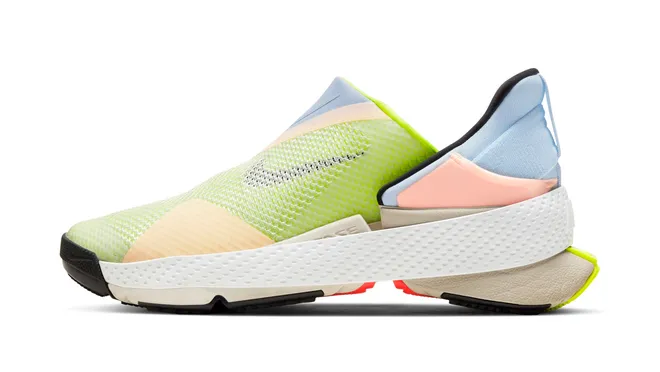
Nike’s FlyEase shoes were one of the first shoes for the adaptive market. (Photo Credit: Nike)

Nike’s FlyEase collection epitomizes the blend of innovation and practicality. Designed with adaptive athletes in mind, FlyEase shoes incorporate features like zippered heels and adjustable laces, providing ease of use without sacrificing performance and style. This collection is proof that high-functioning athletic wear can be inclusive and fashionable.

UNHIDDEN

A look from Unhidden’s Fall 2023 Collection. (Photo Credit: Getty Images)

Unhidden is a British brand dedicated to creating elegant adaptive wear. Founded by Victoria Jenkins, who has firsthand experience with the fashion needs of people with disabilities, Unhidden offers garments with discreet openings for medical devices, easy fastenings, and stylish cuts. Their designs ensure that everyone can feel fashionable, regardless of their physical challenges.

SLICK CHICKS

Lingerie from Slick Chicks. (Photo Credit: Slick Chicks)

Lingerie should be comfortable, functional and stylish—Slick Chicks hits all three marks. Their adaptive underwear line features panties with front and/or side velcro fasteners. Their bras are designed with front velcro closures and front accessible straps (instead of back), making it easier for individuals with mobility issues to dress independently. Slick Chicks believes that everyone deserves to feel confident in their own skin and their designs reflect this philosophy.

VON RUZ

A dress from Von Ruz. (Photo Credit: Von Ruz)

Von Ruz is a fashion label that effortlessly merges high fashion with adaptive functionality. Their collections include elegant dresses, versatile tops and chic outerwear, all designed with hidden magnetic closures, adjustable hems, and sensory-friendly fabrics. Von Ruz’s pieces are perfect for those looking to make a sophisticated style statement.

AUF AUGENHOEHE

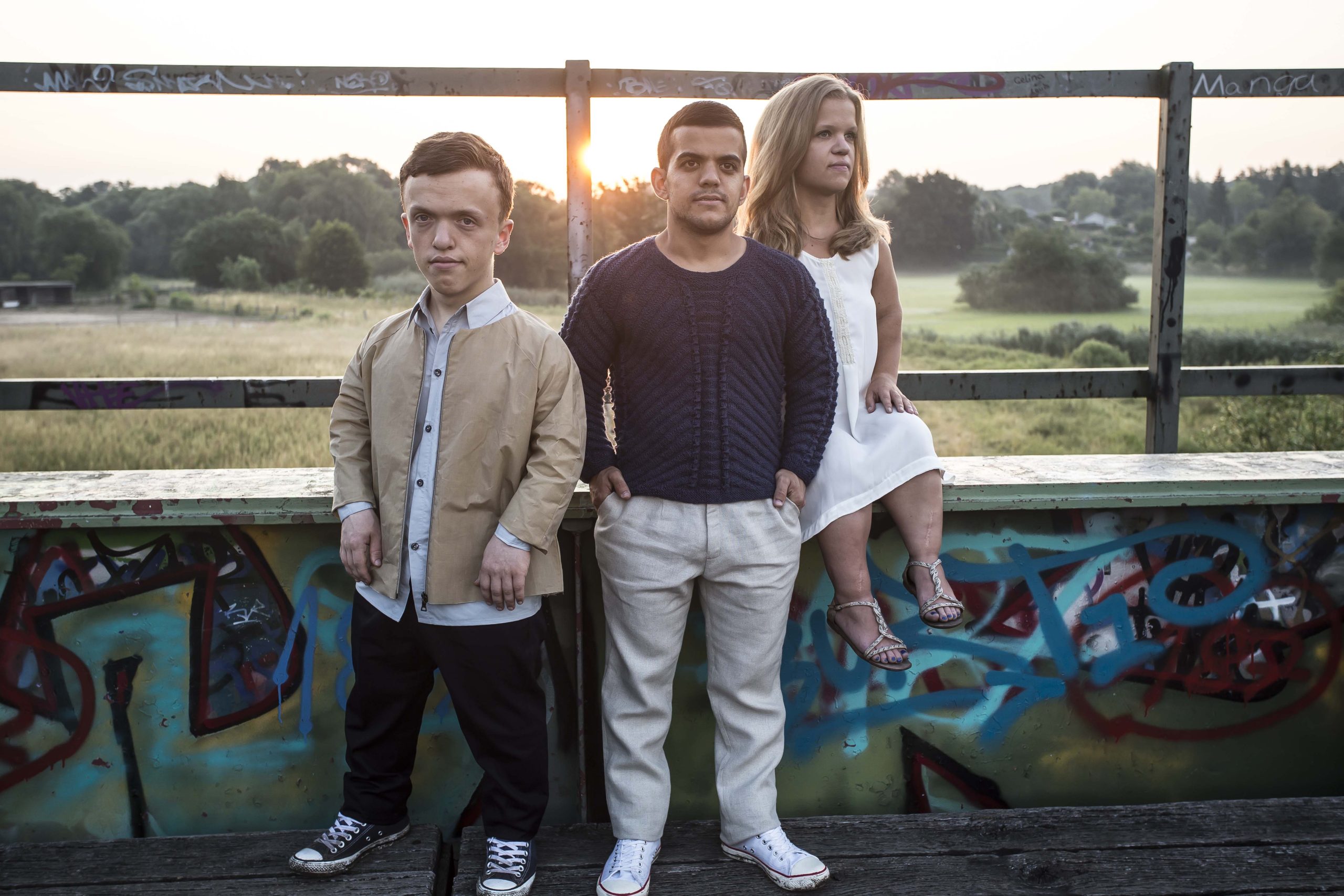
Looks from Auf Aufaugenhohe. (Photo Credit: Auf Aufaugenhohe)

German brand Auf Augenhoehe focuses on creating adaptive clothing for people with dwarfism. Their designs are tailored to ensure the perfect fit, addressing issues such as proportion and ease of movement. Auf Augenhoehe’s commitment to inclusivity is evident in their attention to detail and dedication to meeting the unique needs of their customers.

AILLE DESIGN

A look from Aille Design. (Photo Credit: Allie Design)

Aille Design stands out for its commitment to both fashion and social impact. The brand’s founder, Alexa Jovanovic, works with blind and visually impaired people to create customizable clothing with beadwork that forms tactile patterns – which can be read by touch, allowing visually impaired individuals to appreciate the designs. Aille Design is not only adaptive but also artistically inspiring, proving that fashion can be a sensory experience for all.

JUNE ADAPTIVE

Looks from June Adaptive. (Photo Credit: June Adaptive)

June Adaptive offers a range of stylish and functional clothing options for men and women. With features like magnetic buttons, elastic waistbands, and sensory-friendly fabrics, June Adaptive’s designs cater to individuals with various disabilities. Their goal is to provide fashionable solutions that make daily dressing more accessible and enjoyable.

IZ ADAPTIVE

Looks from IZ Adaptive. (Photo Credit: IZ Adaptive)

IZ Adaptive, one of the pioneers in adaptive fashion, was founded by designer Izzy Camilleri. IZ Adaptive collections include everything from casual wear to formal attire, all designed with modifications like magnetic closures, seated cuts, and adjustable features. Their clothes are tailored to provide both style and comfort, making them a favorite among fashion-forward individuals with disabilities.

EMBRACING INCLUSIVITY IN FASHION

These brands are not only creating clothing, they are fostering a movement towards greater inclusivity and understanding in the fashion industry. Adaptive fashion is more than a trend—it’s a testament to the power of innovation and empathy, ensuring that everyone can enjoy the confidence that comes with wearing clothes they love. If you want to be part of this inclusive movement, be sure to watch UoF’s Adaptive Fashion Series by Tracy Vollbrecht. We just launched the last two lessons in her Adaptive Fashion series.